Antioxidant Supplements 101: What They Do and How to Choose One That Works

Antioxidant supplements are often presented as an easy way to support overall wellness. But choosing one well takes more than looking for a large number on the label. It helps to understand what antioxidants do, where they come from, and what makes a supplement worth considering.
The guiding principle is simple: build a nourishing routine first, then consider supplements for a clear reason. Quality, suitability, and how your body uses a nutrient matter more than an impressive-sounding claim.
What Are Antioxidants?
Antioxidants are compounds that help manage reactive molecules in the body. Some are produced naturally, while others come from foods or supplements. Familiar examples include vitamin C, vitamin E, carotenoids, and certain plant compounds called polyphenols.
They are part of a broader, finely balanced system. The body also uses antioxidant enzymes and repair processes to manage normal cellular activity. Antioxidants are not a single ingredient or a shortcut to better health; different compounds have different roles.
Free Radicals and Oxidative Stress, in Plain Language
Cells produce reactive molecules as part of everyday processes, including turning food into energy. Some also arise from environmental exposures. These molecules are often called free radicals.
In appropriate amounts, reactive molecules have useful roles, including cellular signaling. When they build up beyond what the body can manage, they can contribute to oxidative stress. The body works to keep this activity in balance; the goal is not to eliminate every free radical.
That distinction matters. More antioxidant is not automatically better. The National Center for Complementary and Integrative Health (NCCIH) notes that large amounts of antioxidants may interfere with normal cellular functions and signaling.

Start With Food
Colorful, varied meals are a practical foundation for antioxidant intake. Fruits, vegetables, beans, nuts, seeds, and whole grains provide a range of nutrients and plant compounds in a food matrix, not just one isolated ingredient.
Research has found associations between higher fruit and vegetable intake and lower risks of some chronic diseases. That does not show that antioxidants alone cause those outcomes. Fiber, other nutrients, overall eating patterns, and lifestyle may also matter.
Food-first does not mean supplements are never useful. A supplement may be appropriate when there is a specific nutritional need or professional recommendation. It simply means supplements work best as part of a thoughtful wellness routine, not as a replacement for nourishing meals.
How to Evaluate Antioxidant Supplements
1. Look Beyond the Big Number
A high amount on the front of a package can look compelling, but more is not necessarily more useful. The right amount depends on the ingredient, its form, a person’s needs, and other sources in the diet.
Read the Supplement Facts panel. Check the serving size, exact ingredient names and amounts, and any other vitamins or minerals in the formula. This can help prevent accidental overlap when using a multivitamin, fortified foods, or more than one supplement.
2. Consider Bioavailability, Not Just Dose
Bioavailability describes how much of a nutrient is absorbed and becomes available for the body to use. It can depend on the ingredient’s form, the formula, what it is taken with, and individual factors.
This is why absorption belongs in the quality conversation. TheNurseRealtorAZ highlights the science of cellular absorption as its formulation philosophy: nutrients should be considered not only for what appears on a label, but also for how they are formulated to be used by the body. Bioavailability is not the same as a guaranteed result, and it is not proven by a large label number alone.
For any product, look for clear ingredient information and a sensible explanation of the formula. Be cautious of broad promises or claims that one product can “detox” the body or prevent illness.
3. Read the Label Carefully
A well-presented label should make it easy to identify the serving size, ingredient amounts, directions, warnings, and manufacturer contact details. Check the full ingredient list, including blends where individual amounts may not be shown.
The NCCIH explains that the U.S. Food and Drug Administration does not review dietary supplements for safety and effectiveness before they are marketed in the same way it does prescription drugs. Manufacturers are responsible for product quality and truthful labeling, and the FDA can take action against products after they reach the market. See NCCIH’s guide to using dietary supplements wisely for more on regulation and safety.
4. Check for Independent Quality Verification
Independent testing programs can help assess whether a product contains the ingredients and amounts stated on the label and whether it meets certain quality standards. Examples include USP’s Dietary Supplement Verification Program and NSF certification.
A seal is not proof that a supplement delivers a particular health benefit or is right for everyone. It is one quality consideration to weigh alongside the label, the manufacturer’s transparency, and guidance from a qualified healthcare professional.
A Product Example: Éternel
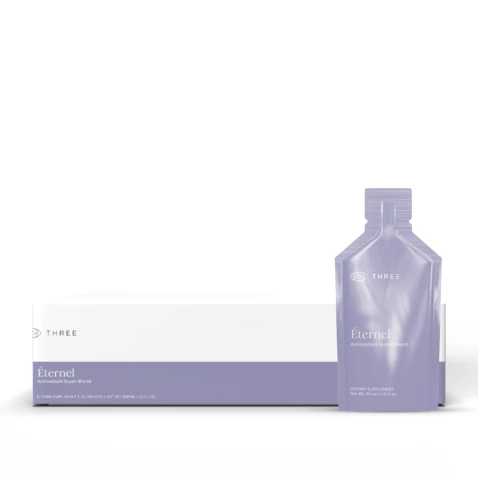
For those exploring antioxidant formulas, ÉternelView Details & Pricing ↗ is part of TheNurseRealtorAZ wellness range. It is described as an antioxidant supplement for cellular vitality, with product information identifying a blend of liposomal antioxidants and polyphenols.
As with any supplement, read the current product label for its ingredients, amounts, directions, and cautions. Consider how it fits with existing supplements and personal needs. The product is an option to explore, not a replacement for food, medical care, or individualized advice.
Build a Sensible Daily Routine
A steady routine can be simpler than a crowded supplement cabinet.
- Anchor meals in variety. Include a mix of colorful produce, legumes, nuts, seeds, and whole grains.
- Define the purpose. Consider what need a supplement is intended to address, rather than choosing one because of a broad antioxidant claim.
- Review what you already take. Check for overlapping ingredients and combined amounts across products.
- Keep directions and cautions in view. Follow the label and ask a healthcare professional about possible interactions.
A daily multivitamin, such as VitalitéView Details & Pricing ↗, may be part of a broader routine for some people. It is worth checking its ingredients against any separate antioxidant supplement so the combination makes sense. A more complete routine is not automatically a better one.

What to Keep in Mind
Antioxidants are part of a larger system that supports normal cellular activity. They come from both the body and a varied diet, and supplements may be useful in particular circumstances. Their value depends on the ingredient, amount, quality, and individual context.
When comparing antioxidant supplements, or other cellular health supplements and health and wellness products, choose clarity over hype. Look for transparent labels, thoughtful formulation, and appropriate quality checks. Let food and sustainable daily habits remain the foundation.
Explore TheNurseRealtorAZ product collection and learn more about its approach to cellular absorption.
This article is for educational purposes only and is not medical advice. Dietary supplements are not intended to diagnose, treat, cure, or prevent disease. Consult a healthcare professional before starting any supplement, especially if you take medication, have a medical condition, are pregnant or nursing, or are preparing for surgery.